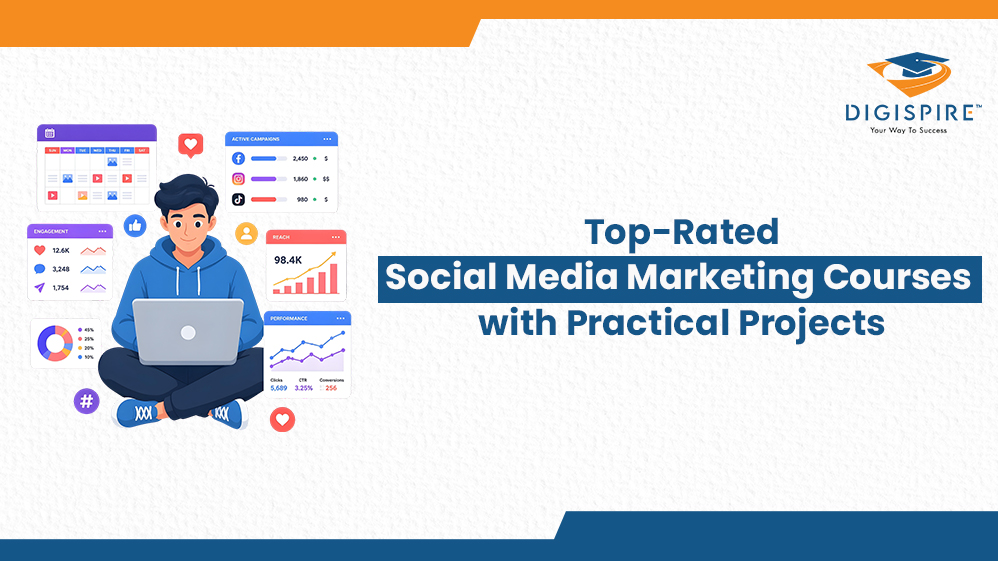

How Digispire Academy Prepares Students for Social Media Marketing Careers

Table of Contents
Social media has evolved far beyond sharing photos, posting reels, or keeping up with trends. Today, it has become one of the fastest-growing career opportunities in the digital marketing industry. From global brands to local businesses, every company needs professionals who can create engaging content, understand audience behaviour, run successful campaigns, and deliver measurable business results.
However, there’s a significant difference between being active on social media and managing it professionally. Knowing how to upload an Instagram story or create a Facebook post doesn’t automatically prepare someone for handling a brand’s digital presence. Professional social media marketing requires strategic thinking, analytical skills, creativity, and a deep understanding of platform algorithms.
That’s why social media certification programmes have become increasingly valuable for students, fresh graduates, entrepreneurs, and working professionals who want to build a successful career in digital marketing. With structured learning, practical exposure, and industry-focused training, these programmes help learners develop the skills employers are actively searching for.
Let’s explore how the right training prepares students for exciting social media marketing careers and why it has become an essential investment for future digital professionals.
Understanding the Modern Social Media Marketing Landscape
The digital world changes almost every day. New features are introduced, algorithms evolve, and audience preferences shift constantly. To succeed, marketers need much more than creativity. They need knowledge that stays current.
Platform algorithms are always evolving
Instagram, Facebook, LinkedIn, YouTube, and other platforms regularly update how they distribute content. A strategy that worked six months ago may not deliver the same results today.
Professional marketers learn how algorithms prioritise content, improve visibility, and influence engagement. This helps brands adapt quickly instead of relying on guesswork.
Data has become the backbone of marketing
Creating attractive content is only one part of the job. Successful marketers also know how to analyse campaign performance.
They understand:
- Engagement rate
- Reach and impressions
- Audience demographics
- Website traffic
- Conversion metrics
- Return on investment (ROI)
Learning to interpret this data helps marketers make informed decisions instead of assumptions.
Every platform requires a different strategy
Posting identical content across every platform rarely delivers the best results.
For example:
- LinkedIn focuses on professional insights.
- Instagram thrives on visual storytelling.
- Facebook encourages community interaction.
- YouTube rewards long-form educational content.
Understanding these differences allows marketers to build stronger connections with each audience.
Organic marketing and paid advertising require separate expertise
Growing an audience organically involves:
- Creating valuable content
- Building communities
- Encouraging engagement
- Maintaining consistency
Running paid campaigns requires additional skills, such as:
- Audience targeting
- Budget optimisation
- A/B testing
- Conversion tracking
- Performance analysis
Comprehensive social media certification programmes prepare students for both approaches, making them versatile professionals.
Brand reputation matters more than ever
A single negative post can spread rapidly online.
Today’s marketers must know how to
- Handle customer complaints
- Respond professionally
- Manage crises
- Protect brand credibility
- Build long-term trust
These skills are increasingly valuable across every industry.

The Core Skills That Social Media Certification Programs Teach
Self-learning can certainly build familiarity with social media platforms. However, structured education fills the knowledge gaps that many beginners don’t even realise exist.
Here are some of the essential skills students develop through social media certification programmes.
Audience research and customer personas
Successful marketing starts with understanding the audience.
Students learn how to identify the following:
- Demographics
- Interests
- Buying behaviour
- Customer pain points
- Online habits
This research helps create campaigns that speak directly to the right people instead of targeting everyone.
Content planning and calendar management
Consistency plays a huge role in social media success.
Students learn how to:
- Create monthly content calendars
- Plan campaigns around business goals
- Schedule posts strategically
- Balance educational, promotional, and engaging content
- Maintain consistent brand messaging
Rather than posting randomly, they learn how every piece of content fits into a larger strategy.
Community management
Building an audience isn’t enough.
Brands also need meaningful conversations.
Students learn how to:
- Respond to comments
- Handle customer feedback
- Build loyal online communities
- Increase engagement
- Maintain brand tone across interactions
These communication skills are often what transform followers into loyal customers.
Campaign planning from start to finish
Professional marketers don’t simply create posts.
They build campaigns with clear objectives.
Students learn how to:
- Understand business goals
- Develop campaign ideas
- Create platform-specific content
- Execute campaigns
- Track performance
- Present reports to stakeholders
This end-to-end approach prepares them for real workplace responsibilities.
Keeping pace with new trends
Social media never stands still.
New features like:
- Reels
- Stories
- Live videos
- AI-powered content
- Interactive content formats
continue changing how audiences consume information.
The best social media certification programmes update their curriculum regularly so students stay ahead of industry trends rather than learning outdated strategies.
Career Opportunities After Certification
A professional certification opens doors to multiple career paths within digital marketing.
Some of the most popular roles include:
Social Media Manager
Responsibilities include:
- Managing multiple social media accounts
- Creating content calendars
- Planning campaigns
- Monitoring engagement
- Reporting campaign performance
Paid Social Media Specialist
These professionals focus on advertising platforms such as:
- Meta Ads
- LinkedIn Ads
- Instagram promotions
- Facebook campaigns
Since they directly influence business revenue, these roles often offer higher earning potential.
Content Strategist
Instead of creating individual posts, content strategists develop long-term content plans that align with business objectives.
They oversee:
- Campaign planning
- Brand messaging
- Audience engagement
- Content performance
Agency and Freelance Careers
Many certified professionals choose to:
- Join digital marketing agencies
- Work with multiple clients
- Start freelancing
- Build their own consulting businesses
A recognised certification often increases credibility with prospective clients.
Influencer Marketing Specialist
As influencer marketing continues to grow, brands need professionals who can:
- Identify suitable creators
- Negotiate partnerships
- Manage campaigns
- Measure campaign performance
This has become another exciting career option within digital marketing.
Why Employers Prefer Certified Professionals
Recruiters increasingly value candidates who have completed structured training because certifications demonstrate both knowledge and commitment.
Here are some reasons employers prefer certified candidates.
Strong understanding of industry fundamentals
Certification assures employers that candidates understand:
- Marketing principles
- Platform strategies
- Content planning
- Analytics
- Professional workflows
This creates greater confidence during hiring.
Faster onboarding
Professionally trained candidates require less basic training.
Since they already understand campaign planning, reporting, and industry tools, companies can integrate them into projects more quickly.
Ethical and responsible marketing
Today’s digital marketing also involves understanding the following:
- Data privacy
- Responsible communication
- Platform policies
- Brand safety
- Consumer trust
Many certification programmes include these important topics as part of the curriculum.
Demonstrated commitment
Completing a professional certification shows employers that candidates are serious about building long-term careers rather than simply experimenting with social media.
This commitment often makes candidates more competitive during recruitment.
How Digispire Academy Builds Social Media Marketing Careers
Choosing the right training institute can make a significant difference in how quickly students become job-ready. Digispire Academy focuses on practical learning, industry relevance, and career development, ensuring students gain skills that employers actively value.
Instead of limiting learning to theory, students work with real-world examples, practical assignments, and current digital marketing strategies. This hands-on approach helps them understand how successful campaigns are planned, executed, and measured in actual business environments.
Students also receive exposure to:
- Real brand case studies
- Platform-specific strategies
- Campaign analysis
- Performance reporting
- Portfolio development
- Industry tools and workflows
The learning experience goes beyond classroom sessions. Mentorship, peer collaboration, and feedback from experienced professionals help students build confidence while developing practical marketing skills.
Career preparation is another major focus. From interview guidance to portfolio building and networking opportunities, Digispire Academy helps students bridge the gap between learning and employment.
Whether you’re a student exploring career options, a working professional planning a career switch, or someone looking to specialise in digital marketing, structured training can provide the foundation needed to succeed in today’s competitive industry.
Graduates leave not only with technical knowledge but also with practical portfolios that demonstrate their capabilities to employers and digital marketing agencies.


Start Building Your Social Media Marketing Career
Social media marketing continues to create exciting opportunities across industries. As businesses invest more in their digital presence, the demand for skilled professionals will only continue to grow.
Enrolling in professional social media certification programmes gives you the structured learning, practical exposure, and confidence needed to succeed in this competitive field.
If you’re ready to transform your interest in social media into a rewarding career, explore the industry-focused training offered by Digispire Academy and take the first step towards becoming a job-ready digital marketing professional.
FAQs
No. The courses are designed for beginners as well as working professionals, so no previous marketing experience is required.
Most social media certification programs can be completed within 8 to 12 weeks, depending on the learning schedule.
Yes. Digispire Academy offers portfolio guidance, interview preparation, and career support to help students become industry-ready.
Yes. Many employers value candidates with professional certifications because they demonstrate practical skills and structured learning.
Students learn how to create professional strategies, analyse campaign performance, understand audience behaviour, and confidently manage brand social media accounts, making them more prepared for real-world marketing roles.