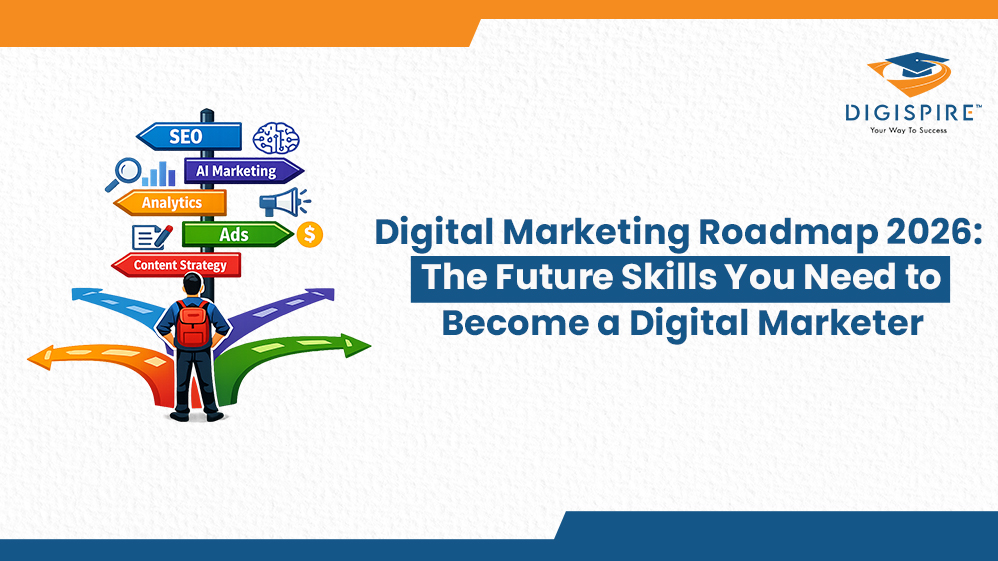
Digital Marketing Roadmap 2026: The Future Skills You Need to Become a Digital Marketer

Table of Contents
Digital marketing isn’t what it was a few years ago. The industry has changed quickly, and so have the skills employers expect from professionals. Strategies that once delivered results are no longer enough to stay competitive.
If you’re planning to build a career in this field, understanding the digital marketing roadmap 2026 is one of the smartest places to begin. It isn’t just about learning a few tools or running ads. Today’s marketers need to combine creativity, data, technology, and consumer psychology to create campaigns that truly make an impact.
Modern businesses are looking for professionals who can understand customer behaviour, interpret analytics, work with AI-powered tools, and create meaningful brand stories. The good news is that these skills can all be learned with the right guidance and consistent practice.
This guide explores the essential skills, emerging trends, and practical learning path that can help you prepare for a successful digital marketing career.
The Core Skills Every Digital Marketer Needs in 2026
Every successful marketer starts with a strong foundation. Before specialising in any one area, it’s important to understand the skills that power every successful campaign.
Essential Technical Skills
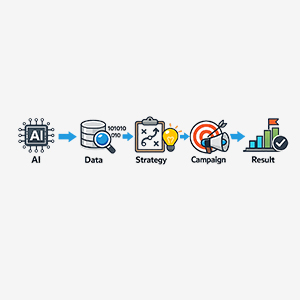
- AI and machine learning basics
- Learn how AI personalises customer experiences.
- Understand recommendation engines and intelligent marketing tools.
- Data analytics
- Go beyond likes and impressions.
- Learn how to read reports and turn numbers into business decisions.
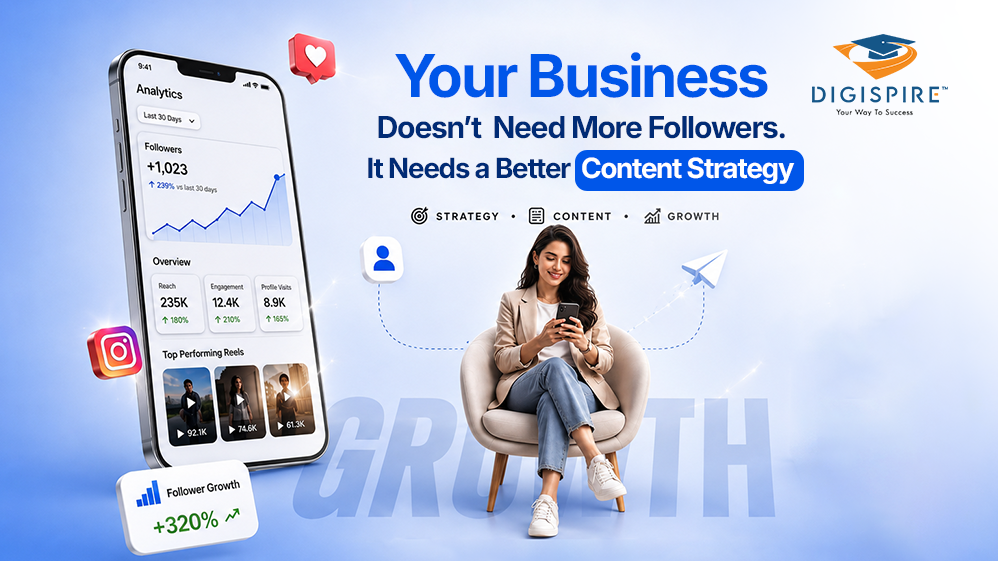
- SEO and content strategy
- Create content that ranks on search engines while remaining useful for readers.
- Understand keyword research, technical SEO, and search intent.
- Marketing automation
- Use automation platforms to nurture leads.
- Save time on repetitive tasks while maintaining personalised communication.
- Video content creation
- Learn editing basics for both short-form and long-form videos.
- Video continues to dominate social media engagement.
- Email marketing and CRM
- Build automated email journeys.
- Understand customer relationship management and audience segmentation.
- Conversion Rate Optimization (CRO)
- Improve landing pages.
- Test different headlines, CTAs, and layouts to increase conversions.
Strategic Skills That Matter
Technical knowledge alone isn’t enough. Employers also value marketers who can think strategically.
Some important competencies include:
- Customer journey mapping
- A/B testing and experimentation
- Budget planning and ROI calculation
- Brand storytelling
- Campaign planning across multiple platforms
- Consumer behaviour analysis
The ability to connect business goals with customer needs is what separates an average marketer from an exceptional one.
Why AI Should Be Part of Your Learning Journey
Artificial intelligence is no longer a futuristic concept. It’s already transforming digital marketing across industries.
Instead of replacing marketers, AI is helping them work faster, smarter, and more efficiently.
Today’s marketers use AI for the following:
- Content ideation
- Campaign optimization
- Predictive analytics
- Customer segmentation
- Marketing automation
- Chatbots and customer support
- Performance forecasting
Understanding AI doesn’t mean learning programming. It means knowing which tools to use, when to use them, and how to evaluate AI-generated output with human judment.
This shift makes AI literacy an essential part of the digital marketing roadmap 2026 for anyone entering the industry.
The Evolution of Social Media and Content Marketing
Consumer attention is changing faster than ever.
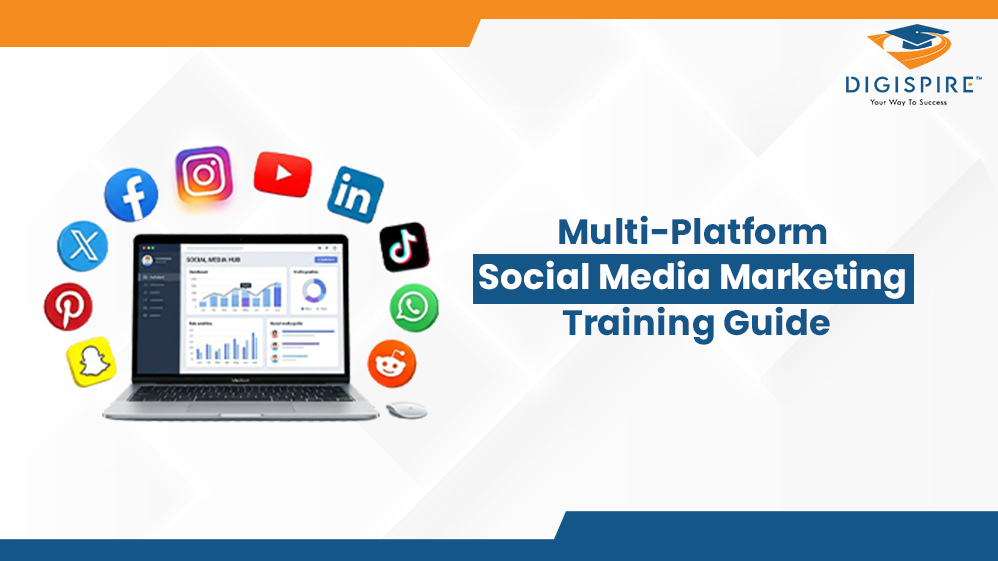
Platforms like Instagram Reels, YouTube Shorts, and LinkedIn continue to reshape how brands communicate with audiences. Organic reach has become increasingly competitive, making strong content strategies and paid campaigns equally important.
Current trends include:
- Authentic behind-the-scenes content
- Community-first marketing
- Micro-influencer collaborations
- User-generated content
- Platform-specific content strategies
- Live streaming
- Niche communities on Discord and Reddit
Instead of trying to be everywhere, brands are focusing on building meaningful engagement with the right audience.
Why Data and Analytics Matter More Than Ever
Marketing decisions are becoming increasingly data-driven.
Businesses expect marketers to prove the impact of every campaign instead of relying only on vanity metrics.
Key performance areas include:
- Customer Acquisition Cost (CAC)
- Customer Lifetime Value (CLV)
- Attribution modelling
- Marketing Mix Modelling
- Churn prediction
- Customer retention
- Net Promoter Score (NPS)
- Brand lift analysis
Understanding these metrics helps marketers optimise campaigns and justify marketing investments with confidence.
Soft Skills That Make You Stand Out
Technical expertise gets your foot in the door.
Soft skills help you grow into leadership roles.
Employers increasingly value professionals who can:
- Communicate with different teams
- Present ideas clearly
- Manage multiple projects
- Solve problems creatively
- Adapt to changing trends
- Stay curious and continue learning
- Understand customer emotions beyond the data
Marketing is ultimately about people, and strong interpersonal skills continue to be one of the biggest career advantages.
Learning That Matches Industry Expectations
Choosing the right learning environment can make a significant difference in how quickly you become job-ready.
Digispire believes digital marketing should be learned through practical application rather than memorising concepts.
Instead of focusing only on theory, students work on:
- Live projects
- Real business case studies
- Industry-standard marketing tools
- Campaign planning
- Analytics reporting
- Portfolio development
Learning directly from professionals who actively work in the industry also helps bridge the gap between classroom knowledge and real-world expectations.
Your 6-Month Learning Plan
If you’re serious about building a career, here’s a practical roadmap you can follow.
Month 1-2: Build the Foundation
- Learn Google Analytics and website analytics fundamentals.
- Understand SEO basics and content strategy.
- Get introduced to AI-powered marketing tools used by professionals.
- Begin an AI-driven digital marketing course that combines traditional marketing concepts with modern AI applications.
- Join digital marketing communities and follow industry leaders.
Month 3-4: Choose a Specialisation
Select one area to explore deeply:
- Social Media Marketing
- Search Engine Optimization (SEO)
- Email Marketing
- Performance Marketing
- Marketing Analytics
During this stage:
- Work on live projects and real business case studies.
- Learn to use AI for content creation, audience research, and campaign planning.
- Build a professional portfolio showcasing measurable results.
- Gain hands-on experience with industry tools used by agencies and brands.
Month 5-6: Master AI-Driven Marketing & Advanced Skills
Now it’s time to bring everything together.
- Explore advanced AI tools for marketing automation and productivity.
- Learn attribution modelling and performance measurement.
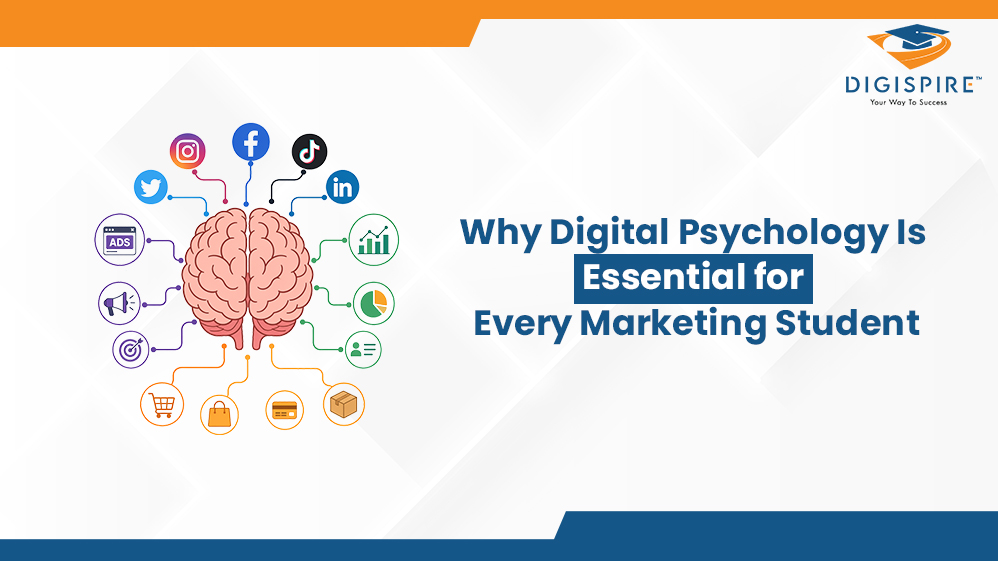
- Study marketing psychology and consumer behaviour.
- Build AI-assisted campaigns while understanding where human creativity adds value.
- Contribute to industry discussions and continue building your portfolio.
- Complete your AI-driven digital marketing course with hands-on projects, preparing you for real-world marketing roles.
Why Practical Experience Matters
Recruiters rarely hire based only on certifications.
They want to see what you’ve built.
A strong portfolio should include:
- SEO projects
- Social media campaigns
- Paid advertising examples
- Analytics reports
- Content strategy samples
- Campaign performance case studies
Hands-on learning gives employers confidence that you can contribute from day one.
Institutes like Digispire place strong emphasis on project-based learning because practical exposure often creates better career opportunities than theory alone.
Final Thoughts
The marketing industry will continue evolving, but one thing remains constant: professionals who keep learning will always stay ahead.
The digital marketing roadmap 2026 is about much more than mastering tools. It’s about understanding people, making informed decisions through data, embracing AI responsibly, and building campaigns that create real business value.
Whether you’re starting your career or upgrading your existing skills, now is the right time to invest in practical learning, hands-on experience, and continuous improvement. With the right mindset and structured training, building a successful career in digital marketing is well within reach.
FAQs
No. Most employers prioritise practical skills, certifications, and portfolio projects over formal degrees.
You can learn the basics within 3 to 6 months, while becoming highly skilled usually takes 1 to 2 years of consistent practice.
Start with Google Analytics, SEO fundamentals, content marketing, and one major social media platform.
AI will automate repetitive tasks, but strategy, creativity, and human understanding will continue to make marketers valuable.
Follow trusted marketing blogs, attend webinars, join professional communities, experiment with new tools, and keep learning continuously.