

 Digispire
Freelancing is no longer limited to simply offering a service. Clients want professionals who understand how digital platforms work and how businesses grow online.
Learning digital marketing helps freelancers:
- Build a stronger personal brand
- Generate leads consistently
- Offer additional services to clients
- Increase visibility on LinkedIn, Instagram, and Google
- Understand customer psychology and buyer behavior
- Create multiple income streams
- Position themselves as strategic partners instead of just service providers
A freelancer who understands marketing becomes much harder to replace.

1. Practical, Hands-On Learning
The best learning experience comes from doing, not memorizing theory slides that vanish from memory after lunch.
A strong digital marketing course for freelancers should include:
- Real-world projects
- Portfolio-building assignments
- Case studies from actual businesses
- Templates for campaigns and pitches
- Access to marketing tools and dashboards
- Live practice sessions
Practical exposure prepares freelancers for client expectations far better than recorded lectures alone.
2. Freelancer-Focused Training
Many courses teach marketing from a corporate employee perspective. Freelancers need something different.
Look for programs that teach:
- Personal branding strategies
- Client communication and pitching
- Building a freelance portfolio
- Proposal writing
- Pricing digital marketing services
- Managing multiple projects efficiently
- Creating long-term client relationships
A course designed specifically for freelancers helps bridge the gap between learning and earning.
3. Updated Curriculum
Digital marketing changes constantly. One algorithm update can flip strategies overnight like a chessboard in a thunderstorm.
Choose a course that regularly updates its modules with:
- Latest SEO updates
- Current Instagram and Linkedin trends
- Google Ads changes
- AI-powered marketing tools
- Content automation techniques
- Modern email marketing practices
- Short-form video strategies
Outdated training can leave freelancers using methods that no longer work.
4. Comprehensive Subject Coverage
Freelancers benefit from becoming multi-skilled professionals. Even if you specialize later, understanding multiple areas helps you communicate better with clients.
A good course should cover:
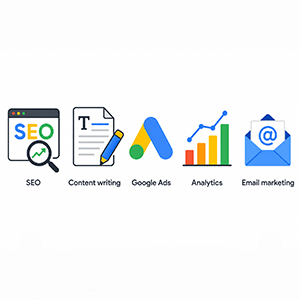
SEO (Search Engine Optimization)
- Keyword research
- On-page SEO
- Technical SEO basics
- Link building strategies
Social Media Marketing
- Instagram growth
- LinkedIn branding
- Content planning
- Audience engagement
Paid Advertising
- Google Ads
- Facebook and Instagram Ads
- LinkedIn advertising basics
Content Marketing
- Copywriting
- Blogging strategies
- Content funnels
- Storytelling techniques
Email Marketing
- Automation workflows
- Newsletter creation
- Lead nurturing
Analytics
- Google Analytics
- Performance tracking
- Conversion measurement
The broader your understanding, the more valuable your freelance services become.
5. Experienced Instructors Matter
Not every great marketer is a great teacher, and not every teacher has real-world experience.
Before enrolling, check whether instructors:
- Have worked with real clients
- Share practical examples
- Hold industry-recognized certifications
- Actively work in digital marketing
- Explain concepts clearly
- Showcase campaign results or case studies
Learning from professionals with hands-on industry experience gives freelancers realistic expectations and practical insights.
6. Affordable Pricing with Real ROI
Expensive doesn’t always mean better.
Instead of chasing premium pricing, focus on value and return on investment.
Compare courses based on:
- One-time payment vs subscription
- Lifetime access availability
- Included certifications
- Bonus resources and templates
- Support and mentorship access
- Refund policies
- Payment flexibility
A smart investment should eventually help increase your earnings and client opportunities.
7. Certifications and Career Support
Certifications help freelancers build credibility, especially when starting out.
A reliable course should offer:
- Industry-recognized certificates
- LinkedIn-ready credentials
- Internship opportunities
- Freelance project guidance
- Career mentorship
- Portfolio reviews
- Networking communities
Clients are more likely to trust freelancers who can demonstrate structured training and expertise.
8. Community and Ongoing Support
Learning digital marketing alone can feel like trying to decode ancient scrolls written in hashtags.
Courses with strong communities create better motivation and networking opportunities.
Look for access to:
- Student discussion groups
- Live Q&A sessions
- Peer communities
- Discord or Slack groups
- Mentor feedback
- Updated learning materials
- Alumni support
Sometimes one valuable connection inside a community can lead to future collaborations or clients.








 By
By